Jewish Farmers and Arab Neighbors Complete Joint Harvest in Samaria
The story
Settlers raid West Bank village in PA-run area; IDF, arriving on scene, lets them flee
Military reportedly doesn't hand settlers over to police, declares closed military zone forcing activists to leave West Bank village The post Settlers raid West Bank village in PA-run area; IDF, arriving on scene, lets them flee appeared first on The Times of Israel.
Read the full articleDispatch from Yemot HaMashiach
Fictional dispatch. The article below reimagines the real story above as it might read in the days of Mashiach. Quotes and events in this dispatch did not happen.
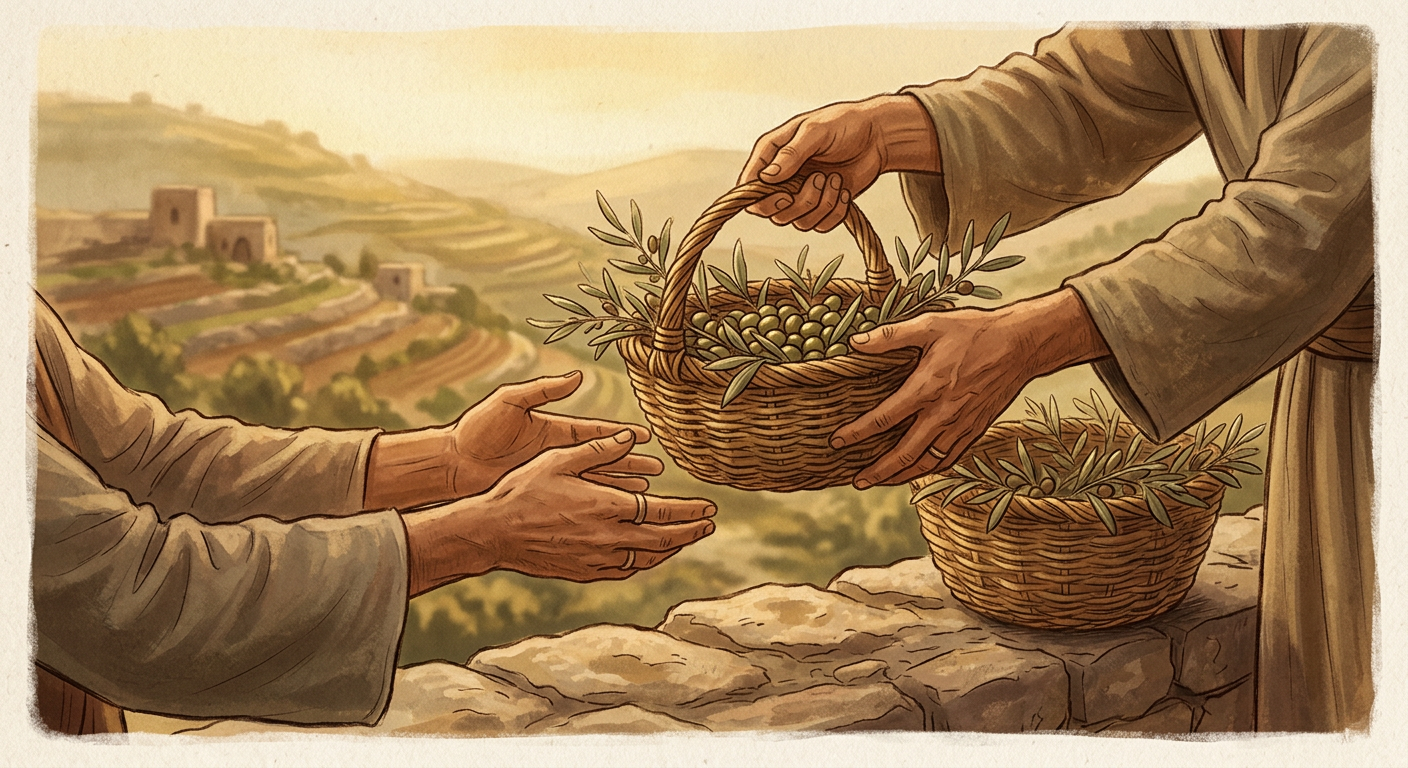
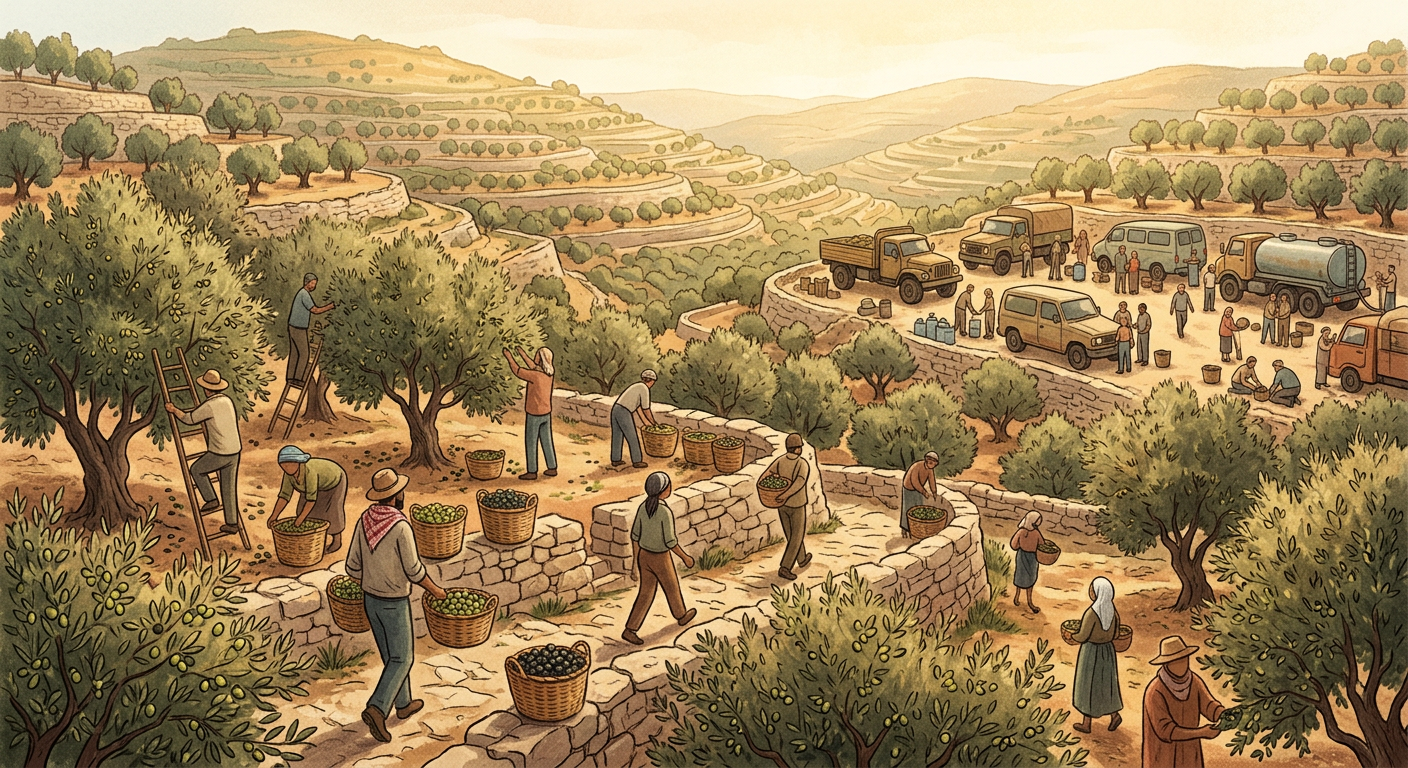
SHECHEM — In what was once a highly contested flashpoint, Jewish residents from a nearby hilltop community streamed into a neighboring Arab village early Tuesday morning. They did not come carrying weapons or seeking confrontation, but bearing pruning hooks and harvest baskets. Together with local Arab farmers—who formally hold Ger Toshav (Resident Alien) status under the Davidic monarchy—they completed the autumn olive harvest in unprecedented peace.
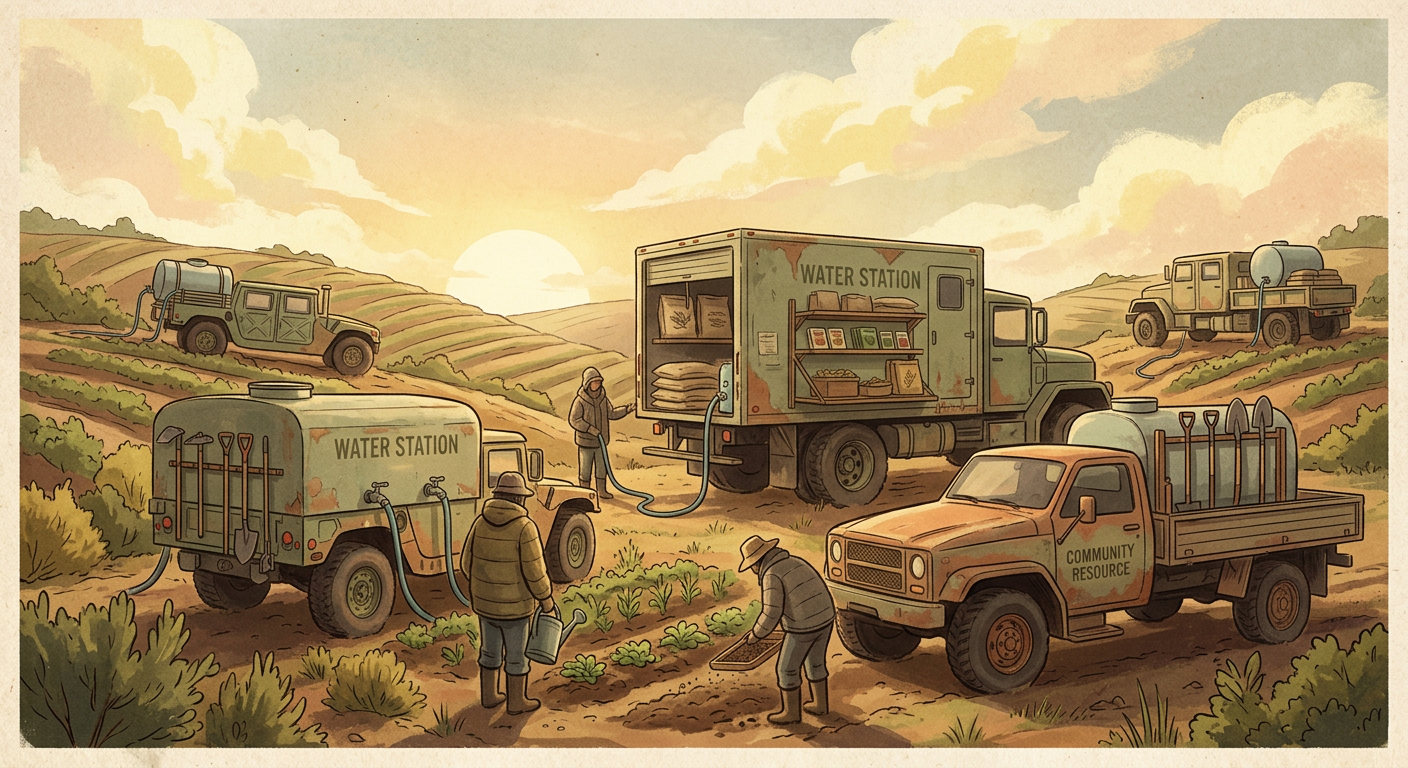
Elements of the former Israel Defense Forces, now serving as the Royal Infrastructure Corps, arrived on the scene mid-morning. Instead of establishing a closed military zone to separate clashing groups, the royal guard set up hydration stations and redirected traffic to accommodate thousands of peace activists and scholars who traveled to Samaria to witness the cooperative harvest.
The village, once governed by the Palestinian Authority, now operates under an autonomous Noahide local council that functions in tandem with the regional Sanhedrin court in Shiloh. "Years ago, we fought bitterly over every olive tree and every dunam of land," said Tariq Mansour, the village elder. "Today, the King's justice guarantees our property, and we share the land's immense bounty as the prophets foretold."
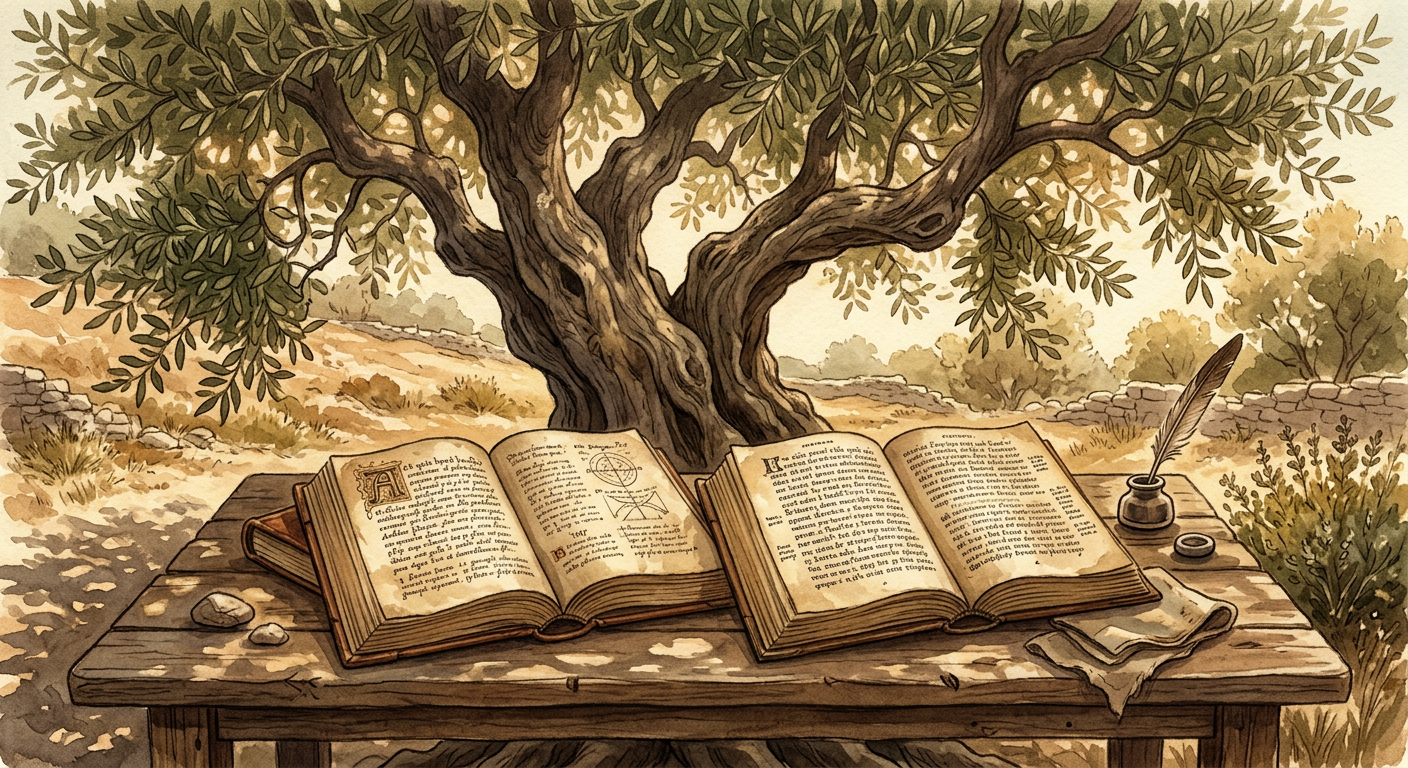
Yedidya Frankel, a Jewish farmer from the neighboring community, echoed the sentiment. "We used to view each other through the lens of exile and fear. Now, when we look at our neighbors, we see partners in fulfilling the will of Hashem." Frankel and Mansour spent the afternoon studying the laws of agriculture and Noahide jurisprudence under the shade of the ancient groves.
The regional Beit Din issued a decree officially blessing the joint harvest, noting that the peaceful resolution of historical land disputes fulfills the mandate of the Messianic era. As evening fell, the two communities shared a feast from the day's yield, a stark contrast to the sirens and clashes that once defined these hills.
Torah sources
“And they shall beat their swords into plowshares, and their spears into pruning hooks; nation shall not lift up sword against nation, neither shall they learn war anymore.”
This famous prophecy is the direct blueprint for transforming military conflict into agricultural cooperation. The weapons and military zones of the original story are literally replaced by pruning hooks, harvest baskets, and shared farming infrastructure.
“You shall allot it as an inheritance for yourselves and for the strangers who reside among you, who have begotten children among you. They shall be to you as native-born children of Israel; with you they shall be allotted an inheritance among the tribes of Israel.”
Ezekiel envisions a Messianic reality where non-Jews (the 'strangers' or Ger Toshav) live permanently and peacefully within the borders of Israel, sharing in the land's prosperity. This transforms the hostile 'PA-run area' into a cooperative community with guaranteed property rights under Torah law.
“Do not presume that in the Messianic age any facet of the world's nature will change or there will be innovations in the work of creation. Rather, the world will continue according to its nature.”
Rambam emphasizes a naturalistic Messianic era. The peace in Judea and Samaria is achieved not through magical intervention, but through the establishment of true justice courts (the Sanhedrin), the acceptance of divine law, and the redirection of military resources to civilian infrastructure.
Key takeaways
- Violent raids and territorial disputes are replaced by cooperative agricultural labor, fulfilling the prophecy of swords into plowshares.
- The IDF shifts from a combat and riot-control force to a logistical and infrastructure corps, supporting civilian life and peace.
- The political tension between 'settlers' and 'PA-run areas' is resolved through the halachic framework of Ger Toshav (Resident Alien) and Noahide courts, ensuring justice and property rights for all.
- Activists who once flocked to the region to protest or protect now arrive to study Torah and witness the fulfilled prophecies of peace.
For reflection
- 1How does the Torah's concept of 'Ger Toshav' provide a uniquely Messianic resolution to modern national conflicts over land?
- 2In this vision, the IDF still exists but its function has drastically changed. What does a 'Royal Infrastructure Corps' say about the transition from exile to redemption?
- 3Why is agricultural cooperation—specifically the olive harvest—such a potent symbol of restored justice and peace in the Land of Israel?
Discuss with AI
Torah commentary generated by AI, drawing on classical Jewish sources. Always verify citations before use in teaching or publication.