Netanyahu praises historic Jewish-Noahide olive harvest in once-divided Qusra
The story
Breaking silence, Netanyahu decries ‘criminal violence’ after settlers again raid besieged village
PM downplays takeover of Qusra home, claiming only 'a handful of rioters' to blame, but doesn't mention lack of arrests for violence that 'harms Israel’s standing in the world' The post Breaking silence, Netanyahu decries ‘criminal violence’ after settlers again raid besieged village appeared first on The Times of Israel.
Read the full articleDispatch from Yemot HaMashiach
Fictional dispatch. The article below reimagines the real story above as it might read in the days of Mashiach. Quotes and events in this dispatch did not happen.
QUSRA, Samaria — Breaking a long silence on the region's transformation, senior Davidic minister Benjamin Netanyahu arrives in the village of Qusra today to praise a radically different kind of "takeover"—the overwhelming embrace of peace. He stands alongside local Arab elders to inaugurate a joint Jewish-Noahide agricultural trust, uniting Qusra with the neighboring Jewish community of Esh Kodesh.
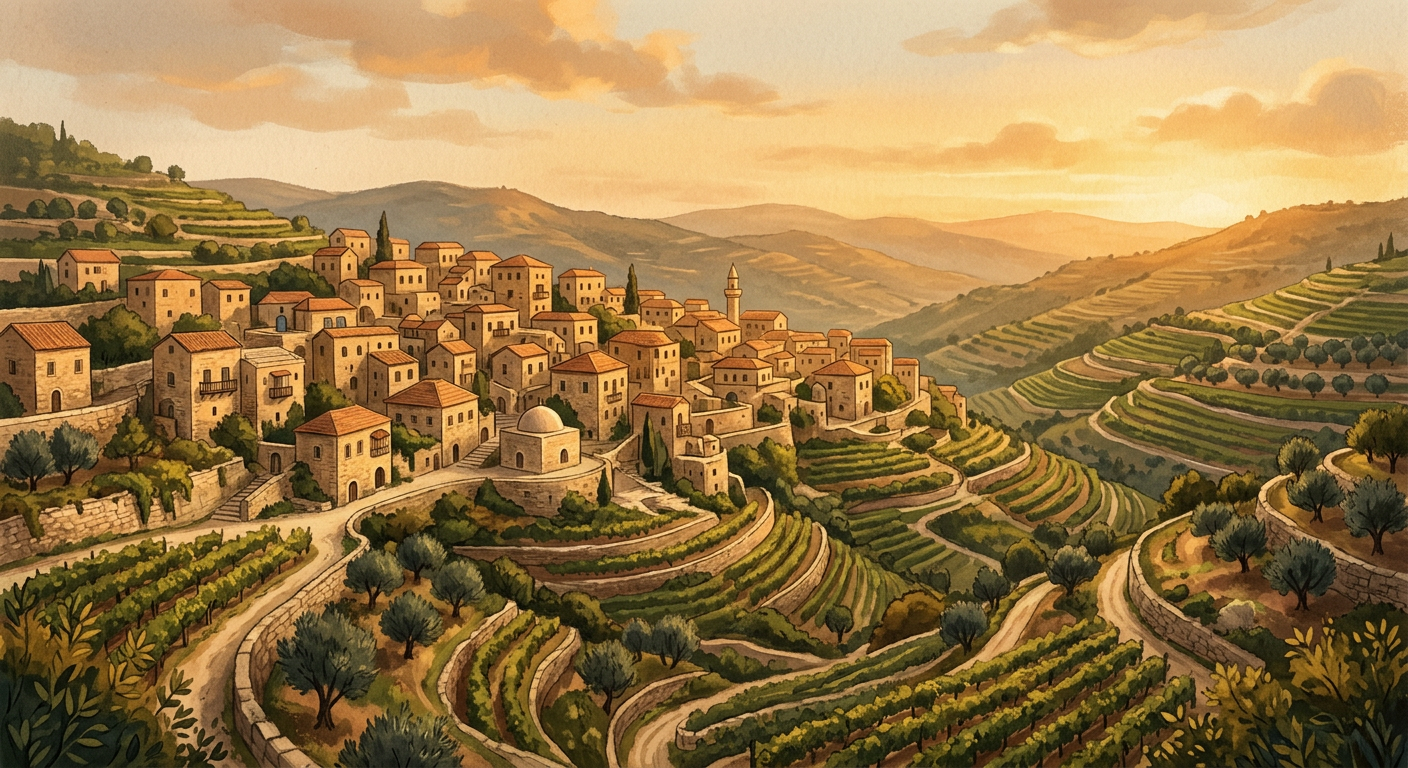
Decades ago, this same hillside was a flashpoint of mutual suspicion, marred by violent raids, besieged homes, and a lack of accountability. Today, under the restorative justice of the Sanhedrin, Qusra’s residents have formally accepted the status of Ger Toshav (Resident Aliens abiding by the Seven Laws of Noah), securing their full property rights and physical protection under Torah law.
"There was a time when the actions on these hills harmed Israel’s standing in the world," Netanyahu says to the gathered crowd, referencing the bitter conflicts of his former premiership. "But today, the exact opposite is true. The justice radiating from Jerusalem, and the sight of Jews and Arabs upholding the Creator's laws together, is exactly what draws the nations to us."
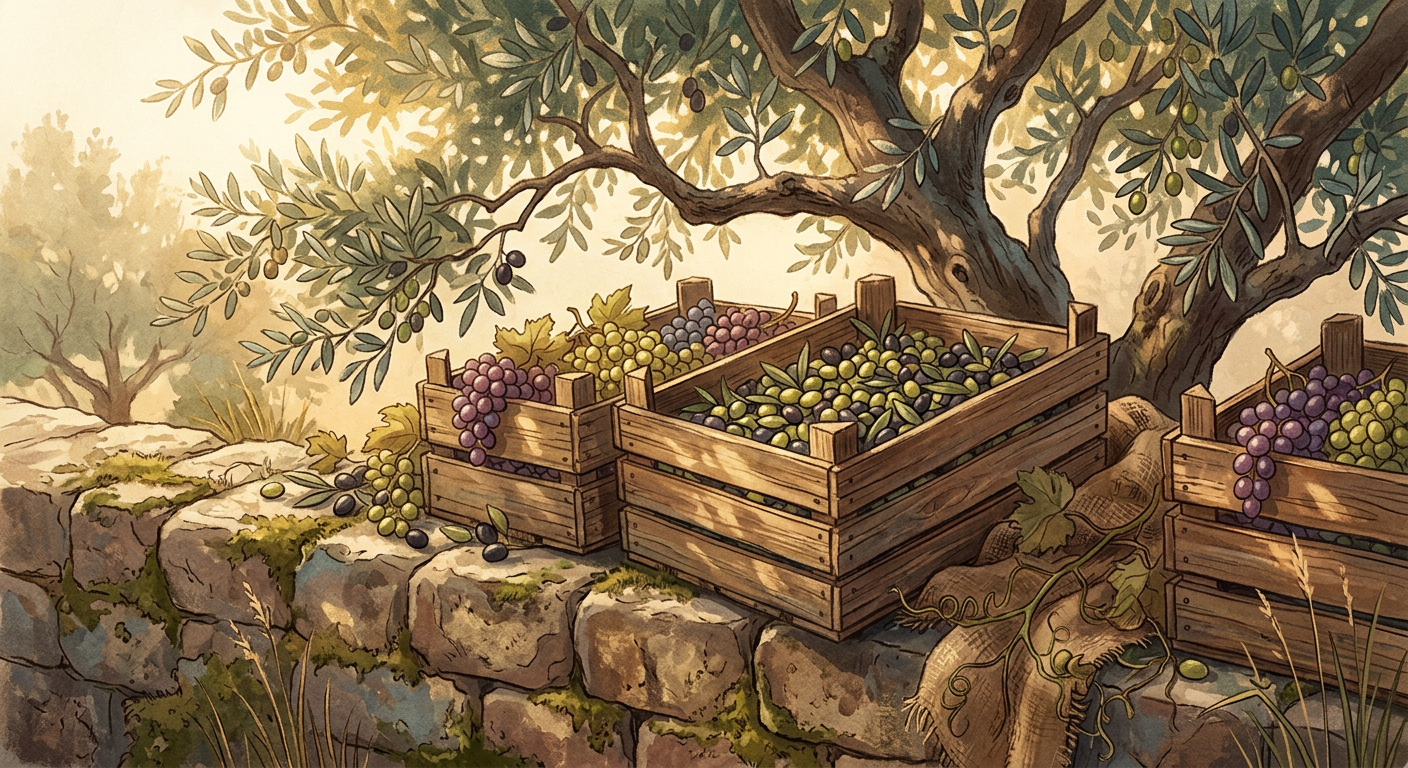
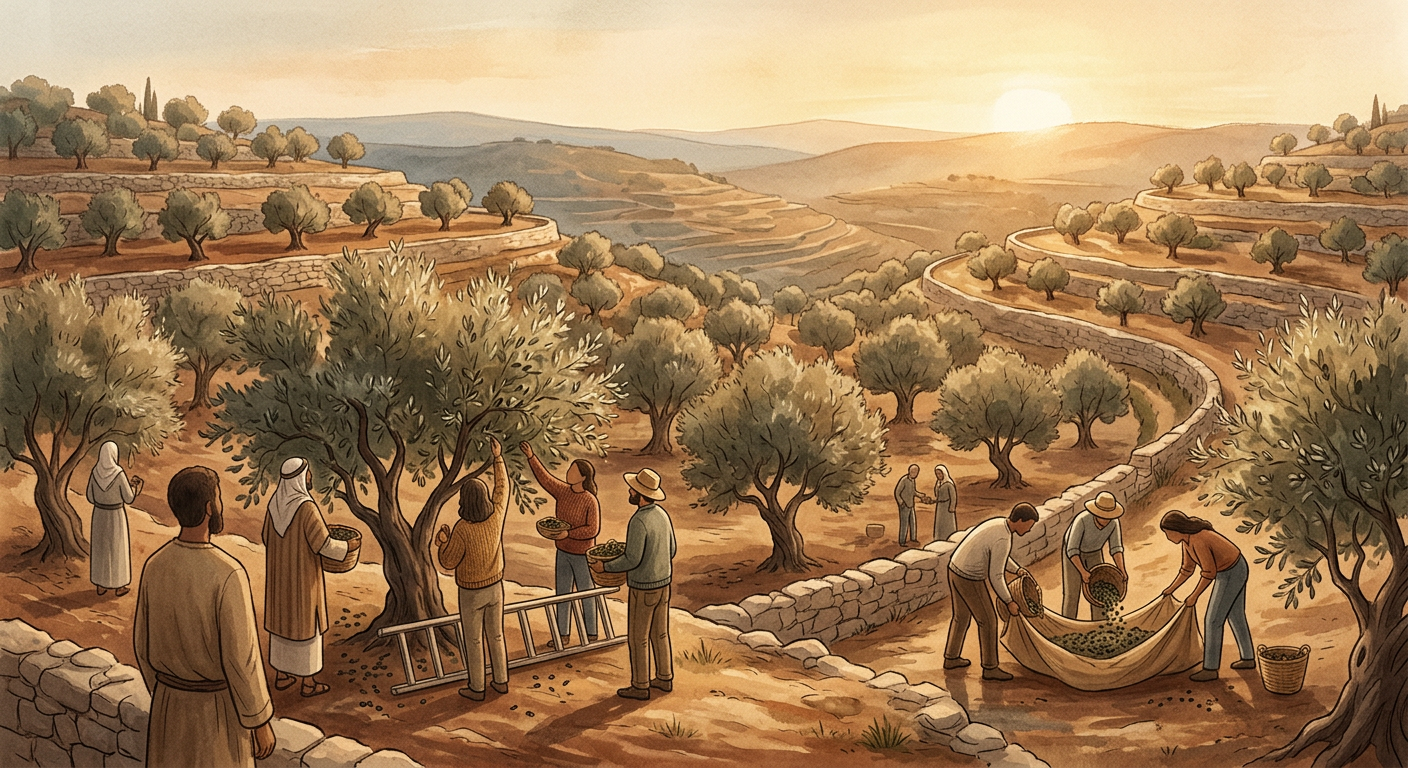
The roads into Qusra are once again filled with Jewish residents from nearby hilltops, but the nature of their arrival has fundamentally changed. Instead of clashes, the residents of Esh Kodesh and Shiloh stream into the village carrying harvesting tools, celebrating the conclusion of the olive harvest alongside their Arab neighbors before preparing their first-fruits for the journey to the Third Temple.
Local Qusra leadership echoes the profound shift. "We used to live under a state of siege, guarding our homes at night," says a local village elder, resting his hand on a freshly built stone terrace. "Now, the Torah's laws protect us, our Jewish neighbors are our partners, and every man sits under his own vine and fig tree with no one to make him afraid."
Torah sources
“But they shall sit every man under his vine and under his fig tree; and none shall make them afraid: for the mouth of the LORD of hosts hath spoken it.”
This prophecy directly envisions the end of territorial and ethnic violence. The residents of Qusra, once besieged and fearful for their property, now experience the literal fulfillment of this verse, enjoying their agricultural bounty in absolute security.
“We are commanded to sustain a Ger Toshav (a resident alien who accepts the Noahide laws), as it is written: 'You shall support him, the stranger and the resident, and he shall live with you.' We must treat them with the same respect and loving-kindness as we do a Jew.”
Rambam outlines the Torah's legal framework for non-Jews living in the Land of Israel. The transformation of the Qusra conflict relies on this exact halachic mechanism: the Arab villagers accept the Noahide laws, and in return, the Torah obligates the Jewish community to protect them, respect their property, and ensure their livelihood.
“In that era, there will be no famine or war, envy or competition... and the occupation of the entire world will be solely to know God.”
The original news story was defined by envy, territorial competition, and war. In the Messianic era, the natural world remains, but the geopolitical friction dissolves because the universal focus shifts to a shared knowledge of the Creator, turning former combatants into cooperative farmers.
Key takeaways
- The violent 'raid' is transformed into a peaceful, cooperative influx of Jewish neighbors arriving to help with the agricultural harvest.
- The Arab villagers are no longer viewed as enemies, but are officially recognized and protected as Gerei Toshav (resident aliens) under Torah law.
- Netanyahu's role shifts from a defensive politician managing international PR crises to an elder statesman celebrating the implementation of Torah justice.
- Israel's 'standing in the world' is no longer damaged by conflict, but elevated by its role as a moral and legal light to the nations.
For reflection
- 1How does the Torah's concept of the 'Ger Toshav' (Resident Alien) completely alter the modern political paradigm of the Israeli-Palestinian conflict?
- 2If the exact same geography and people remain in the Messianic era, what internal spiritual shift is required for former enemies to harvest the same field together?
- 3In what ways does true Torah justice require protecting the property rights of non-Jews living peacefully in the Land of Israel?
Discuss with AI
Torah commentary generated by AI, drawing on classical Jewish sources. Always verify citations before use in teaching or publication.