Former soldiers reunite with resurrected Yotam Haim in Jerusalem reconciliation feast
The story
Yotam Haim’s mother sends stunning message to soldier on trial
Iris Haim, whose son was accidentally killed in Gaza, says anger and revenge over the killing of an Israeli by IDF soldiers will only lead to more deaths.
Read the full articleDispatch from Yemot HaMashiach
Fictional dispatch. The article below reimagines the real story above as it might read in the days of Mashiach. Quotes and events in this dispatch did not happen.
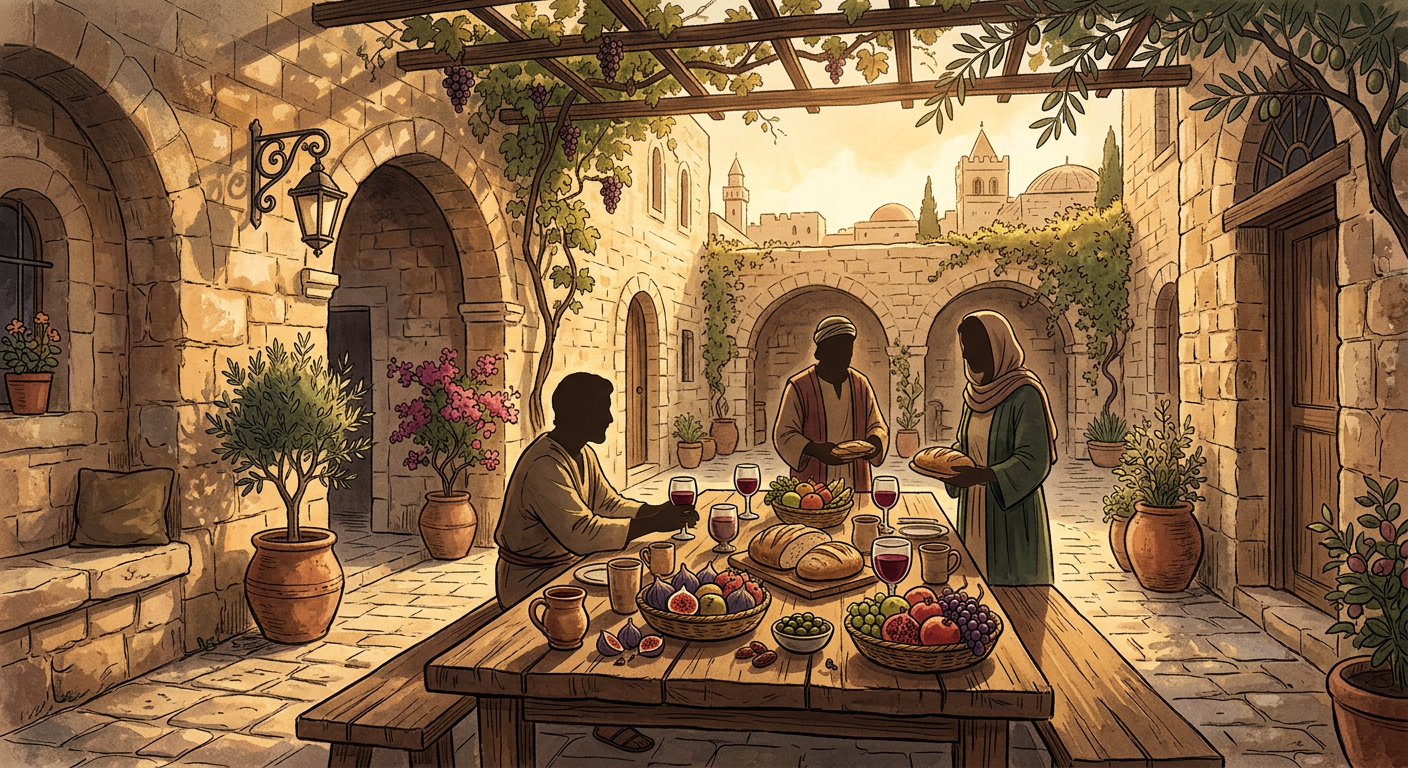
JERUSALEM — The heavy doors of the Sanhedrin's reconciliation chambers open today not for a military trial, but for a feast. Iris Haim embraces three former IDF soldiers, tears of pure joy streaming down their faces. Seated at the head of the table is Yotam Haim, her son, breathing, smiling, and pouring wine for the men who, in the dark days of the old world, accidentally took his life in the ruins of Shuja'iyya.
The reunion marks a profound milestone in the ongoing Techiyat HaMetim (Resurrection of the Dead) that has swept the Land of Israel. For years, the soldiers carried the unbearable weight of the tragic friendly-fire incident during the Gaza conflict, facing immense guilt and internal military tribunals. Today, the concept of punitive revenge has been rendered obsolete by the eradication of death itself.
"Even in the old world, I told you that anger and revenge would only lead to more death," Iris tells the weeping soldiers, holding their hands firmly across the wooden table. "But today, Hashem has shown us the ultimate truth: love and forgiveness lead directly to life." Yotam, his trademark red hair catching the Jerusalem sunlight, nods and raises a cup of blessing, chanting the traditional blessing for the revival of the dead.
The soldiers have spent the past months studying in the academies of peace established by Mashiach ben David. One of them, a former infantryman, speaks of how the trauma that haunted his nights vanished the moment he saw Yotam walk through the gates of the Mount of Olives last Tuesday, completely restored and bearing no signs of his former wounds.
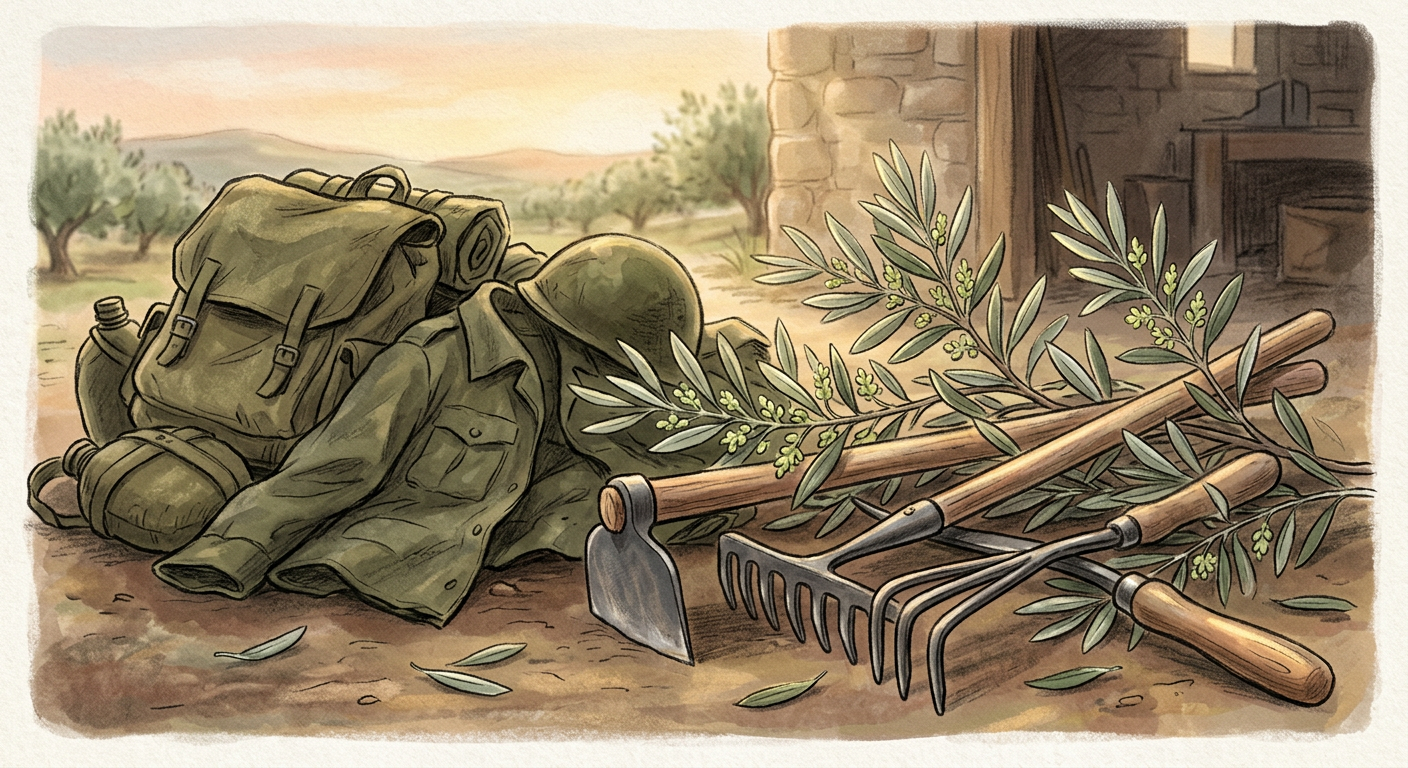
The gathering is being broadcast globally, serving as a powerful testament to the Messianic reality where the ultimate tragedies of human error are repaired. As former instruments of war are melted into agricultural tools outside the city limits, the Haim family and the soldiers prepare to travel up to the rebuilt Beit HaMikdash to offer a Korban Todah (Thanksgiving Offering) together.
Torah sources
“He will destroy death forever; and the Lord God will wipe away tears from off all faces...”
This prophecy foretells the ultimate defeat of death and mourning. In the rewritten story, the tragedy of Yotam Haim's death and the tears of both his mother and the soldiers who accidentally shot him are literally wiped away by his physical resurrection.
“Behold, I will open your graves, and cause you to come up out of your graves, O My people, and bring you into the land of Israel.”
The vision of the dry bones coming to life is the foundational text for Techiyat HaMetim. Yotam's return from the grave transforms an agonizing story of wartime loss into a miraculous reality of restoration.
“And they shall beat their swords into plowshares, and their spears into pruning hooks; nation shall not lift up sword against nation, neither shall they learn war any more.”
The original story is centered on the trauma of soldiers and military trials. In the Messianic era, the military apparatus is dismantled, and soldiers transition from bearing the guilt of war to studying peace and bringing thanksgiving offerings.
Key takeaways
- Guilt and PTSD from accidental wartime deaths are fully healed through the physical resurrection of the victims.
- The judicial system shifts from prosecuting military mistakes and managing anger to facilitating spiritual reconciliation and thanksgiving.
- Iris Haim's original message of forgiveness in a broken world becomes the literal foundation of their reunion in the perfected world.
- The weapons and military apparatus that characterized the Gaza conflict are dismantled and repurposed for life.
For reflection
- 1How does the physical resurrection of a victim fundamentally alter the nature of guilt and forgiveness for those who accidentally caused their death?
- 2Iris Haim chose forgiveness even before the Messianic era. How do the moral choices we make in our broken world prepare the ground for ultimate redemption?
Discuss with AI
Torah commentary generated by AI, drawing on classical Jewish sources. Always verify citations before use in teaching or publication.