Nahal Oz celebrates joint harvest with resurrected founders and former Gazan foes
The story
In a kibbutz near Gaza, Oct. 7 scars tear at leftist heritage
Nahal Oz resident Danny Rahamim laments that he's 'the most left-wing person here,' with family members and others moving rightward after the Hamas onslaught that killed 16 residents
Read the full articleDispatch from Yemot HaMashiach
Fictional dispatch. The article below reimagines the real story above as it might read in the days of Mashiach. Quotes and events in this dispatch did not happen.
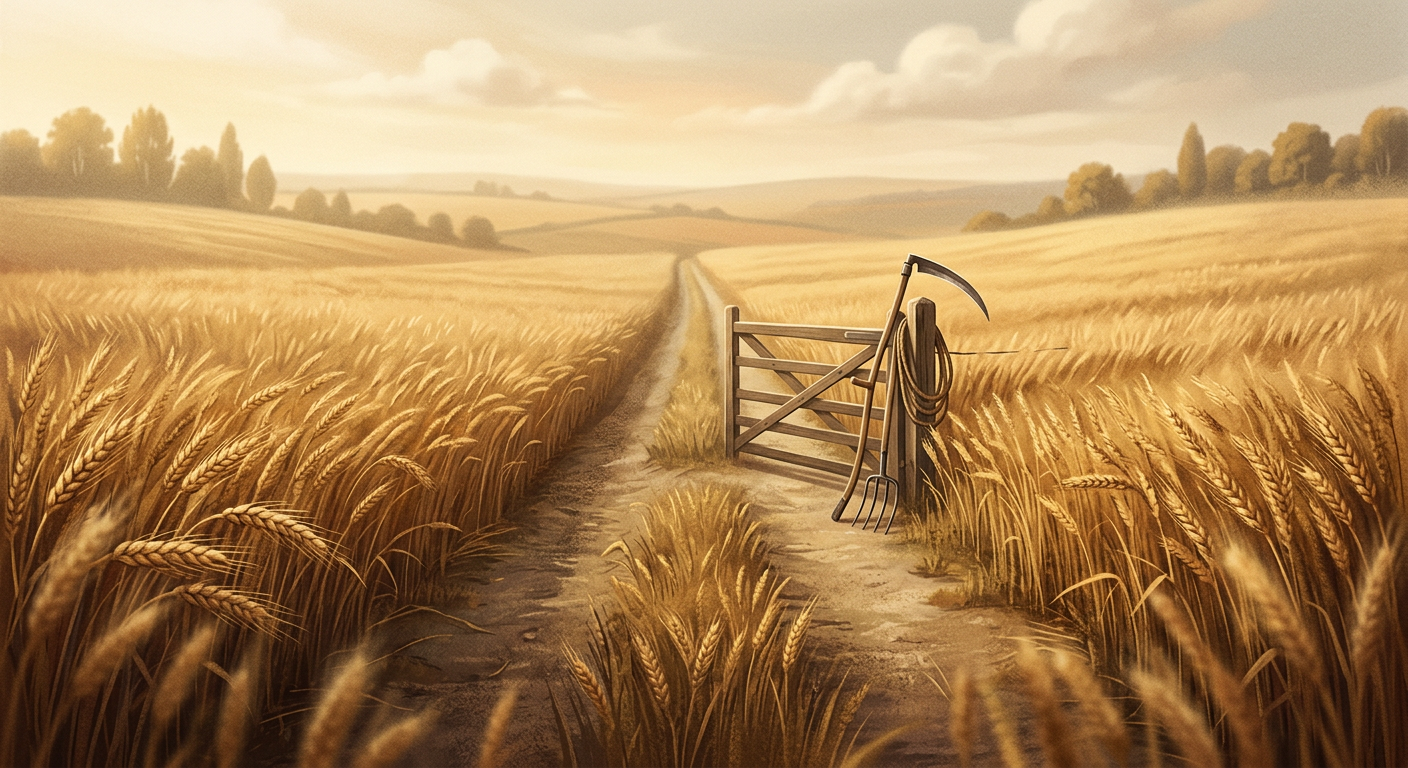
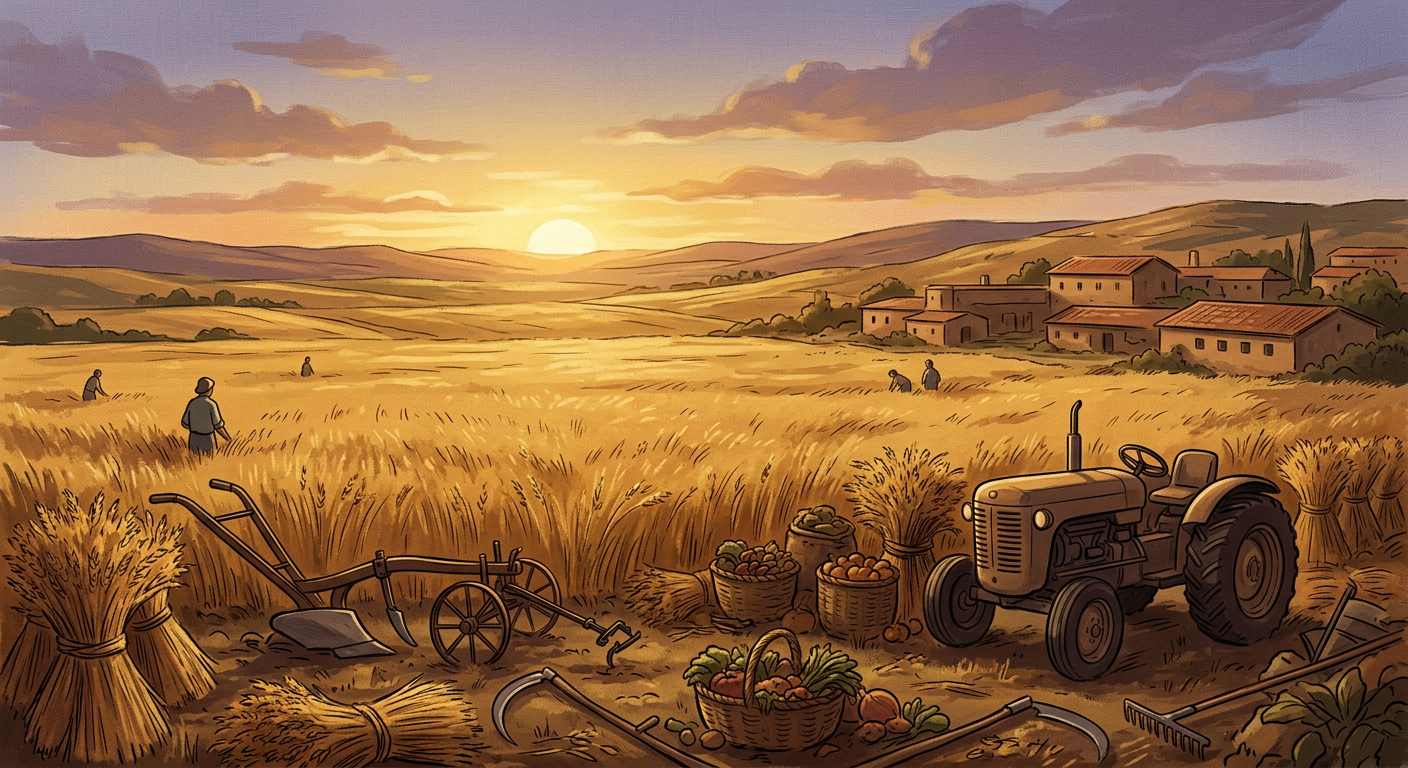
NAHAL OZ — Danny Rahamim stands at the eastern gate of Kibbutz Nahal Oz, looking out at the wheat fields blending seamlessly into the Gaza Strip. Where a fortified border wall once stood, a delegation of Gazan agricultural workers—many of whom were once affiliated with Hamas—arrives carrying pruning hooks and plowshares. They are here not for war, but to assist the kibbutz with the Shavuot harvest.
The atmosphere is overwhelmingly joyous, amplified by the presence of the 16 kibbutz members who were tragically killed years ago, now walking among the living. Following the recent resurrection of the dead, these restored residents have reintegrated into the community, instantly healing the trauma that once tore the kibbutz apart. "I used to worry I was the last left-winger here, that fear had permanently divided our community into political factions," Rahamim says, embracing his newly returned neighbors. "But politics are dead. We just have life, and the Torah's blueprint for how to live it together."
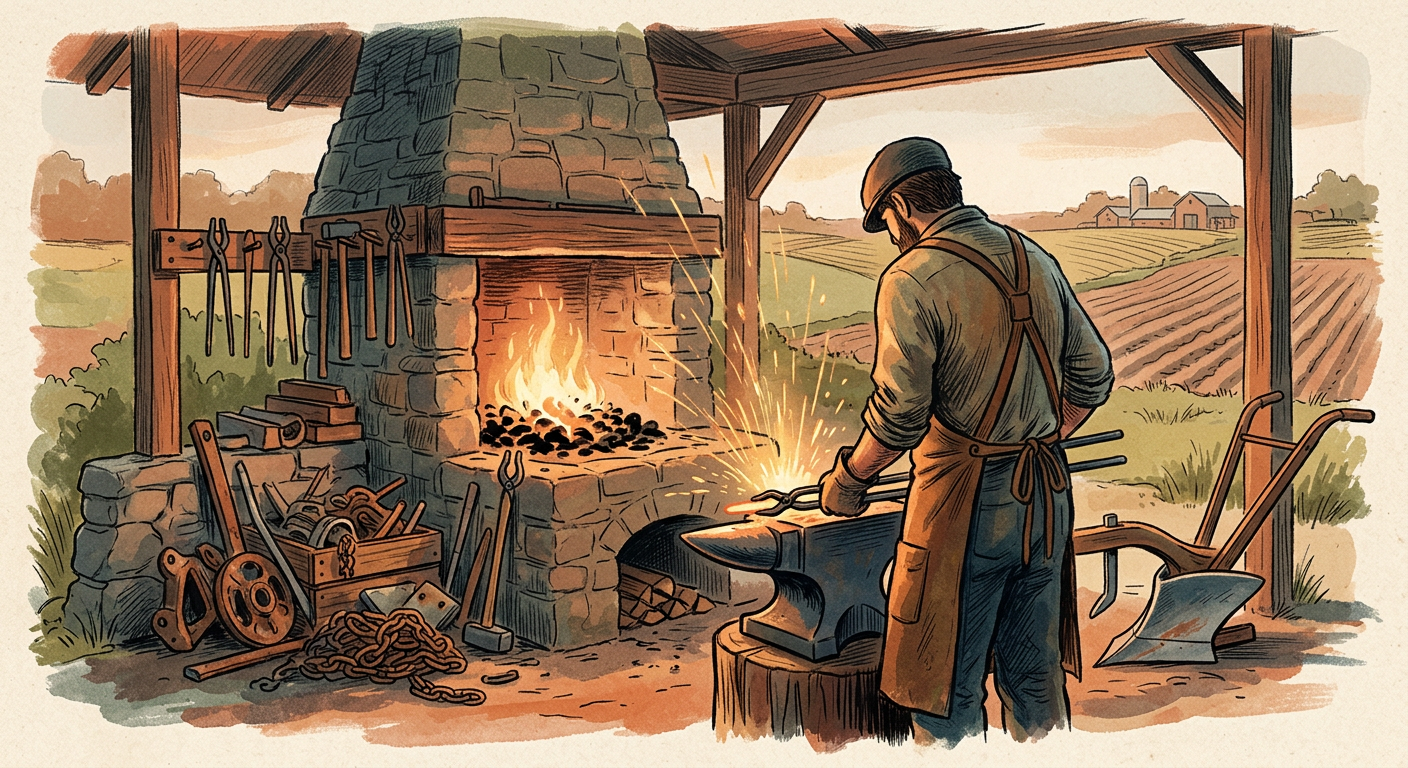
The visiting Gazans, having formally accepted the Seven Laws of Noah under the guidance of the Sanhedrin in Jerusalem, work shoulder-to-shoulder with the Israelis. Former militant commanders now study agricultural halachah, eagerly asking Rahamim about the laws of Leket, Shikchah, and Pe'ah (leaving gleanings for the poor). The weapons they once carried have been literally melted down at a new regional foundry, forged into the very combine harvesters and sickles now clearing the fields.
The old secular-religious and left-right divides of the kibbutz movement have entirely evaporated. Instead of bitter political debates over security in the communal dining hall, residents and their Gazan guests share meals while discussing the weekly Torah portion and the teachings of Mashiach ben David. The kibbutz's historic socialist ideals of equality and mutual care have found their ultimate, perfected expression in the Torah's agrarian laws.
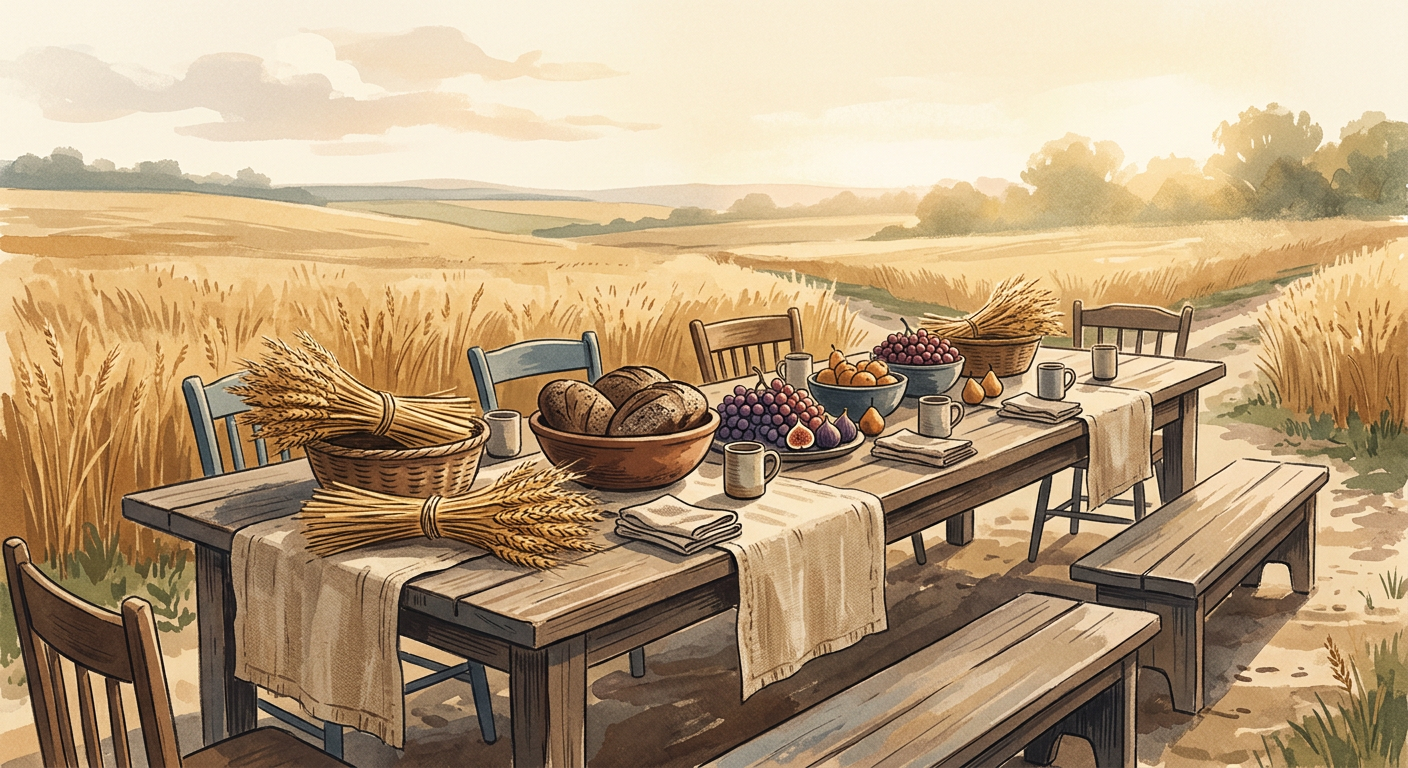
As the sun sets over the unified landscape, Rahamim watches a former militant hand a freshly cut sheaf of wheat to a resurrected kibbutznik. "We always dreamed of a brotherhood of nations and a utopian society," Rahamim reflects. "We just didn't realize it would come from Zion, through the word of Hashem. The scars are gone; the land is whole."
Torah sources
“They shall beat their swords into plowshares and their spears into pruning hooks; nation shall not lift up sword against nation, neither shall they learn war anymore.”
This prophecy directly flips the reality of October 7 and the subsequent wars. The militant neighbors from Gaza have literally transformed their weapons of terror into agricultural tools, working alongside Israelis in perfect peace without the need for border walls.
“He will swallow up death forever; and the Lord God will wipe away tears from all faces.”
The profound trauma and grief of Nahal Oz, which originally drove political polarization and despair in our world, is completely reversed by the resurrection of the dead. The 16 murdered members return, wiping away the tears and making the community whole again.
“In that era, there will be neither famine or war, envy or competition... and the entire world's occupation will be only to know the Lord.”
The story replaces the ideological left/right divide of the kibbutz with a unified pursuit of divine wisdom. The Gazans and Israelis are no longer driven by nationalistic hatred or political competition, but by the shared desire to learn Hashem's laws, matching Rambam's naturalistic vision of a world united in knowledge.
Key takeaways
- The devastating loss of 16 kibbutz members was reversed through Tehiyat HaMetim (resurrection), instantly removing the root of the community's trauma.
- The ideological 'left vs. right' divide, born of fear and security debates, dissolved naturally as the Torah's framework provided true social justice and absolute security.
- Gazan neighbors, formerly entrenched in Hamas ideology, transformed into peaceful adherents of the Noachide laws, actively participating in the kibbutz's agricultural life.
- Weapons of war were literally and functionally repurposed into farming equipment, fulfilling the prophecy of Isaiah in a tangible, modern agricultural setting.
For reflection
- 1How does the realization of the Torah's agricultural laws (like Leket and Pe'ah) fulfill the original 'socialist' or 'leftist' ideals of the kibbutz movement in a deeper, more sustainable way?
- 2Imagine the psychological shift of working in a field alongside someone who was once your sworn enemy, now united by a shared recognition of Hashem. How does this redefine the concept of 'security'?
- 3If political divides like 'left' and 'right' disappear in the Messianic era because truth is evident, what new types of discussions or intellectual pursuits might take their place in a kibbutz dining hall?
Discuss with AI
Torah commentary generated by AI, drawing on classical Jewish sources. Always verify citations before use in teaching or publication.